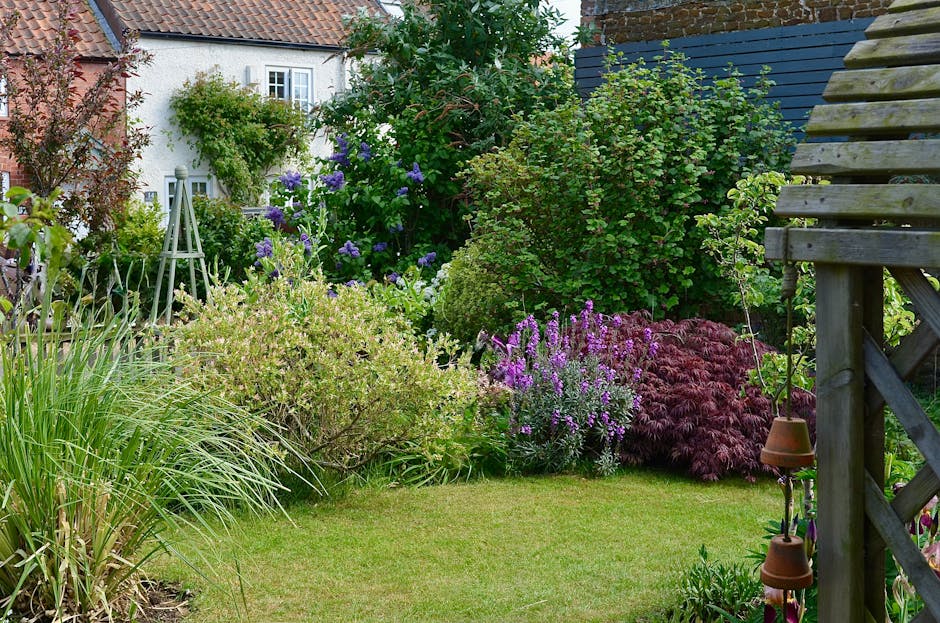
Local gardeners Chase Cross best value for small front gardens: how to get more from a compact space without overspending
If your front garden in Chase Cross is small, awkwardly shaped, or just a bit tired-looking, you are not alone. A lot of local homes have compact entrances, narrow plots, patchy lawns, and front spaces that do more duty than they should. The good news? Local gardeners Chase Cross best value for small front gardens is not about doing the most expensive makeover. It is about making smart choices that improve kerb appeal, cut maintenance, and make every square metre work harder.
In practice, the best-value approach is usually simple: clear the clutter, keep the layout clean, choose plants that actually suit the light, and spend where it has visible impact. A neat front garden changes how a home feels the moment you walk up to it. And to be fair, that first impression matters more than people admit.
This guide walks through what best-value gardening really looks like in a small Chase Cross front garden, how local gardeners approach it, where the money is usually best spent, and which mistakes quietly eat budget for breakfast.
Contents
- Why best value matters in a small front garden
- How the best-value approach works
- Key benefits and practical advantages
- Who this is for and when it makes sense
- Step-by-step guidance
- Expert tips for better results
- Common mistakes to avoid
- Tools, resources and recommendations
- Law, compliance, standards and best practice
- Options, methods and comparison table
- Case study or real-world example
- Practical checklist
- Conclusion
- Frequently asked questions
Why Local gardeners Chase Cross best value for small front gardens Matters
Small front gardens can look deceptively easy. Then you start measuring, and the reality lands: there is barely enough room for planting, access, drainage, bins, steps, or a path that does not feel cramped. That is exactly why value matters. In a compact space, every decision is visible. There is nowhere for a poor layout to hide.
For Chase Cross homeowners, best value is usually a balance of three things: appearance, upkeep, and cost. If a garden looks lovely for one week but needs constant attention, it is not great value. If it is cheap but dull, it does not really solve the problem either. The sweet spot is a front garden that looks tidy most of the time, holds up in British weather, and does not demand constant patching up.
There is also a local feel to consider. Front gardens in suburban London areas often face practical pressures: hard-working foot traffic, shade from nearby buildings, the odd windswept corner, and a preference for gardens that look neat from the pavement. A local gardener understands those little constraints because they see them all the time. That familiarity is part of the value, plain and simple.
If you want to explore related ideas, our guide on budget, low-maintenance gardening ideas is a useful companion read, especially if your front garden needs to look good with less effort.
How Local gardeners Chase Cross best value for small front gardens Works
The best-value approach is not about buying the cheapest plants or doing everything yourself. It is a method. Local gardeners typically start by asking what the front garden must achieve. Is the main aim kerb appeal? Privacy? Lower maintenance? Safer access? A prettier entrance for a terrace or semi-detached home? Once the goal is clear, the design can be kept lean and purposeful.
In a small space, the most effective work often happens in layers:
- Structure first - paths, edging, borders, boundaries, and any tired hard landscaping.
- Soil and drainage second - because weak soil makes even nice planting look scruffy very quickly.
- Planting third - a restrained selection of plants that suit the site, rather than a crowded mix.
- Maintenance planning last - so the garden remains easy to keep neat.
That order matters. A small front garden can feel transformed with just an edge reset, a cleaned path, one or two compact shrubs, and a textured ground cover. You do not need to fill every gap. In fact, leaving a little breathing room often makes the whole thing look more expensive.
For front gardens, local gardeners also think seasonally. A design that looks good in spring but turns messy by October is only half-finished. If the space gets full sun, shade, or wind at different points of the day, those conditions shape the plant selection more than people expect.
Key Benefits and Practical Advantages
When the work is done well, the benefits are immediate and practical. You see them from the road, from the hallway window, and every time you come home with shopping bags and wish the entrance looked tidier. Small front gardens punch above their weight when they are planned properly.
- Better kerb appeal: A neat entrance gives the home a cleaner, more cared-for appearance.
- Less maintenance: The right planting choices reduce weekly chores and seasonal frustration.
- Smarter use of space: Narrow plots can feel wider with the right layout and proportion.
- Improved access: Clear edging and paths make everyday movement safer and easier.
- More weather resilience: Simple, tough planting tends to handle the British climate better.
- Long-term savings: The right upfront decisions often reduce replacement work later.
A small front garden also gives a nice return on restraint. Oddly enough, the more tightly edited it is, the better it often looks. Too much variety can make a compact space feel messy. One or two repeated shapes, a disciplined border line, and a plant palette that does not fight itself - that is where the magic usually is.
If your garden needs more planting texture rather than more lawn, our article on ground cover plants for UK gardens can help you pick species that keep the soil covered and the look cohesive.
Who This Is For and When It Makes Sense
This approach suits a lot of people, not just homeowners who are short on time. In fact, it is especially useful if your front garden is small enough that mistakes show immediately. A flashy feature that works in a big back garden can feel completely wrong in front of a modest Chase Cross property.
It makes sense if you are:
- trying to improve kerb appeal before selling or letting
- fed up with a front garden that always looks a bit unfinished
- wanting a lower-maintenance entrance with more structure
- dealing with poor soil, shade, or windy exposure
- looking for a sensible refresh rather than a full rebuild
It also makes sense if the garden is technically "small" but still awkward: maybe there is a narrow strip by a path, a tiny lawn with little sun, or a frontage split by steps and a driveway. Those are the spots where local experience helps, because the fix is rarely dramatic. It is usually practical.
Truth be told, the worst time to spend money is when you start by guessing. A short conversation with a local gardener can prevent you buying the wrong materials, the wrong plants, or a design that looks great on paper and flat in real life.
Step-by-Step Guidance
Here is a straightforward way to approach a small front garden project without drifting into unnecessary spend.
- Assess the space honestly. Measure the width, note the light, check for drainage issues, and look at what you actually use the garden for.
- Strip back clutter. Overgrown shrubs, broken edging, weeds, cracked pots, and random ornaments make small spaces feel tighter.
- Decide the main job. Choose one priority: neatness, privacy, low maintenance, safer access, or a more welcoming entrance.
- Protect the structure. Repair borders, tidy paving, and sort out any damage before you start planting.
- Choose a simple plant palette. Repetition is your friend. A few dependable varieties usually beat a crowded mix.
- Add one focal point. This might be a compact shrub, a small container display, or a clean line of seasonal colour.
- Mulch or cover bare soil. This helps with moisture retention and weed suppression, and it instantly looks more finished.
- Set a maintenance rhythm. Small front gardens stay smart when they are trimmed, swept, and checked regularly.
A small but useful tip: take a photo before you begin, then again once the main structure is in place. The difference is often more dramatic than it feels while you are standing in the middle of it. That is a good sanity check, actually.
If the garden has become a bit unruly, our guide on starting a neglected garden overhaul is worth a look. It shows how to reset the space without making the project balloon out of control.
Expert Tips for Better Results
In our experience, the best-value front gardens are usually the ones that look calm rather than crowded. Calm is underrated. You do not need ten plant types where four would do nicely.
- Repeat plants instead of mixing everything. Repetition creates order and usually costs less than constant variety.
- Go for evergreen structure. A front garden needs something sensible in January, not just a good week in June.
- Use containers sparingly. They are excellent for a statement feature, but too many can look fussy and create watering work.
- Choose edging that is easy to maintain. A clean line between path and border can transform the whole frontage.
- Think from the pavement inward. What does the garden look like from eye level and from a passing glance?
- Keep height in check. Oversized plants can swallow a small front garden very quickly.
If your frontage is shaded, there are good options. It is just a matter of picking the right plants and not trying to force sun-loving species into a dim corner. For that kind of challenge, shade-loving evergreen climbers can be surprisingly effective, especially where you want a bit of softness without clutter.
One more thing: if you want privacy without building a wall in the middle of a tiny garden, use careful screening rather than bulk. Our guide on hedges that improve privacy is helpful if the front area feels too open or overlooked.
Common Mistakes to Avoid
This is where a lot of good intentions go sideways. Small front gardens are very unforgiving of over-design. One wrong move and the whole thing starts to feel cramped, busy, or oddly expensive for no obvious reason.
- Choosing plants that grow too large. Small gardens do not forgive exuberant shrubs.
- Overusing paving or hard surfaces. Too much hard landscaping can make the garden feel stark and hot in summer.
- Ignoring drainage. Waterlogged borders lead to poor plant health and sloppy-looking beds.
- Buying too many "nice" extras. Decorative items are often the first thing to inflate a budget.
- Forgetting access needs. Front gardens need to work for bins, deliveries, and daily movement.
- Letting maintenance shape the design too late. If a garden is hard to keep tidy, it will soon stop looking value for money.
We also see people rush into lawn repairs when a lawn is not really the right answer. In a small front garden, a thin or patchy lawn can be the least useful feature. Sometimes it is better replaced with planting, gravel, or a neater hard-and-soft mix. A smaller lawn is not automatically a better lawn, after all.
And if ivy, brambles, or an old climbing plant is taking over a wall or boundary, deal with it properly before you build around it. Our article on permanent ivy removal explains why that matters.
Tools, Resources and Recommendations
For a small front garden, the right tools and a tidy workflow often matter more than fancy equipment. You want clean cuts, manageable workloads, and the ability to finish jobs without a pile of half-used bits cluttering the drive.
Useful basics include:
- hand shears for shaping small shrubs
- a compact spade or border fork for lifting and planting
- a stiff broom for paths and steps
- gloves that actually fit properly
- a hose or watering can with decent control
- mulch or compost for border improvement
For people who like to understand the process before they commit, our guide to essential gardening tools is a practical starting point. It is especially useful if you are doing small maintenance jobs yourself between visits.
Two other useful reads, depending on what your front garden needs, are improving soil through organic waste and simple weed-control tips. They are the sort of small improvements that quietly save money over time.
If you are planning lighting, our article on outdoor lighting ideas gives useful inspiration for making an entrance feel welcoming after dark. It does not need to be elaborate. A little light in the right place goes a long way on a winter evening, especially around 5pm when everything looks darker than you remember.
Law, Compliance, Standards, or Best Practice
Front gardens may be small, but you still want the work to follow sensible UK best practice. That means paying attention to access, safe tool use, neighbour boundaries, and any plants or structures that could create issues later. There is no need to make this complicated.
For example, if a gardener is trimming hedges, working near paths, or handling heavier waste, they should use safe working methods and appropriate equipment. Good practice also means checking whether work could affect shared boundaries, visibility near driveways, or access for residents and visitors. If there is a tree, wall, or fence involved, it is worth confirming what needs attention before work starts.
Where a project involves machinery, ladders, lifting, or awkward conditions, a careful approach matters more than speed. That is one reason people choose a local team that is used to small domestic gardens rather than a one-size-fits-all approach. You want judgment, not just enthusiasm.
For reassurance around the working side of things, it is sensible to review health and safety guidance and insurance and safety information. If you are comparing providers, terms and conditions and payment and security pages are also worth checking before any job is booked.
One more plain-English point: if something looks too cheap to be true, ask what is included. Waste removal, materials, plant supply, and follow-up tidying can change the real value quite a bit.
Options, Methods, or Comparison Table
Different front gardens need different solutions. Here is a practical comparison of the most common approaches for a compact Chase Cross frontage.
| Approach | Best for | Pros | Trade-offs |
|---|---|---|---|
| Simple tidy-up and refresh | Gardens that are basically fine but messy | Lowest disruption, quick visual impact | Does not solve deeper layout problems |
| Plant-led makeover | Spaces needing softness and colour | Improves kerb appeal, can stay low maintenance | Needs the right soil and light conditions |
| Hard landscaping refresh | Cracked paths, broken edging, tired entrances | Strong structure, cleaner finish, long life | Higher upfront cost, less flexible later |
| Low-maintenance redesign | Busy households and older properties | Easy upkeep, tidy year-round look | May feel more restrained than a lush planting scheme |
| Privacy and screening focus | Overlooked front gardens | Creates comfort and definition | Needs careful height control in a small space |
For many homes, the best-value route is a mix: clean structure, a few reliable plants, and one or two finishing touches. That is usually enough. You do not need to turn the front garden into a showroom.
Case Study or Real-World Example
Consider a typical small front garden in Chase Cross: a narrow strip beside a short path, a tired lawn section, a couple of overgrown shrubs, and a border that has become more weeds than plants. Nothing dramatic, just a space that has slowly drifted into looking neglected.
A sensible best-value refresh might go like this:
- remove the overgrown shrubs that make the entrance feel narrow
- repair the edge where soil keeps spilling onto the path
- improve the soil with compost and a tidy mulch layer
- plant a small repeat group of evergreen structure plants
- add one container near the door for seasonal interest
- trim and clean the frontage so the whole place looks sharper from the street
The result is not a dramatic before-and-after fantasy. It is more useful than that. The garden becomes calmer, easier to maintain, and more welcoming every day. You notice it when you come home in the rain, when the bins are out, and when neighbours walk past. It just feels sorted.
If the entrance also needs a proper refresh to the paving or surrounding materials, a service such as patio cleaning or a broader landscaping approach may be the right fit. For recurring upkeep, garden maintenance is often the most practical route, especially for busy households.
Practical Checklist
Use this quick checklist before you book work or start planning the garden yourself.
- Have you measured the garden and noted its light conditions?
- Do you know whether the main goal is appearance, access, privacy, or low maintenance?
- Are there broken edges, damaged paths, or drainage issues that should be fixed first?
- Have you chosen plants that suit the site rather than just the look?
- Will the design still look neat in winter, not only in summer?
- Are you keeping the layout simple enough to maintain?
- Have you checked whether any hedge, tree, or fence work is needed too?
- Do you have a realistic maintenance plan after the initial work is done?
If you can tick most of those off, you are already ahead of the game.
Conclusion
The best-value small front gardens are not the loudest or the most heavily styled. They are the ones that make a home feel cared for without becoming a chore. In Chase Cross, that usually means simple structure, thoughtful planting, and a local approach that respects the space rather than fighting it.
Whether you are after a cleaner entrance, a more modern look, or a front garden that finally feels easy to live with, the key is the same: invest where it counts, keep the design honest, and do not overcomplicate it. Small gardens reward restraint. They really do.
If you are ready to talk through ideas, compare options, or simply get a clearer picture of what is possible for your frontage, reach out for practical guidance and a quote that reflects the job properly.
Get a free quote today and see how much you can save.
There is something quietly satisfying about a front garden that just works. Not flashy. Just right.
Frequently Asked Questions
What do local gardeners in Chase Cross usually do for a small front garden?
They usually focus on a neat, practical refresh: tidying overgrowth, improving borders, selecting compact plants, sorting edges, and making the space easier to maintain. The goal is to improve the entrance without overbuilding it.
What is the best value improvement for a small front garden?
Often it is a combination of cleaning, edging, and simple planting rather than a full redesign. A tidy border and a few well-chosen plants can change the feel of the whole frontage very quickly.
Should I keep a lawn in a tiny front garden?
Sometimes, but not always. If the lawn is thin, patchy, or awkward to mow, it may be better replaced with planting, mulch, or another low-maintenance feature. Small lawns can be more work than they are worth.
How do I make a front garden look bigger?
Use fewer plant types, keep lines clean, and avoid clutter. Repetition, lighter borders, and a clear path often make a space feel wider. Oddly enough, leaving a bit of empty space helps too.
What plants work well in a small front garden?
Compact shrubs, evergreen structure plants, ground cover, and container-friendly choices usually work well. The right plant depends on light, exposure, and soil, so it is better to choose for the site rather than the catalogue photo.
Can a small front garden still have privacy?
Yes, but privacy needs to be handled carefully. Low screening, compact hedging, and well-placed plants can soften views without making the garden feel boxed in. Height control is the trick.
How often should a small front garden be maintained?
That depends on the planting and layout, but little and often is usually best. A quick tidy every couple of weeks can keep a front garden looking smart without major effort later.
Is it worth hiring a local gardener instead of doing it myself?
If the garden is awkward, overgrown, or needs a clear plan, yes, it often is. A local gardener brings judgement, saves time, and helps avoid buying the wrong materials or plants. That can be better value than a DIY approach that stalls halfway through.
What should I ask for in a quote?
Ask what is included: labour, waste removal, materials, planting, edging, and follow-up tidying. You want the full picture so you can compare quotes fairly and avoid surprises.
Do I need to think about safety or access in a front garden?
Absolutely. Front gardens should remain easy to walk through, safe around steps and paths, and practical for bins, deliveries, and everyday use. Good design is not just about looks; it has to work in real life.
What if my front garden is shaded or windy?
That is very common, especially in built-up areas. Choose plants for the conditions rather than against them, and consider wind-tolerant or shade-friendly options. A garden that matches its environment will always be easier to keep looking good.
How do I get started if the garden is badly neglected?
Start by clearing the worst of the overgrowth and deciding what must stay. Then tackle structure, borders, and soil before planting. If it feels overwhelming, a phased approach is often smarter than trying to solve everything in one go.