Health and Safety Policy for Gardeners Chase Cross
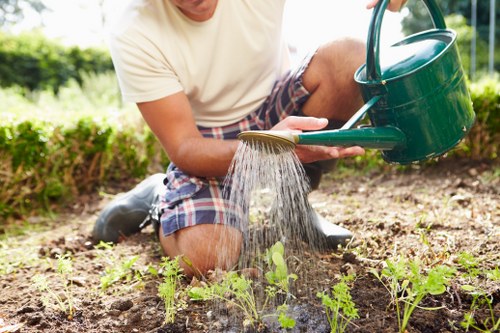 This Health and Safety Policy for Gardeners Chase Cross sets out the standards and responsibilities that help create a safe, well-managed working environment for all gardening tasks. It applies to day-to-day maintenance, planting, pruning, lawn care, hedge work, soil movement, and the use of tools and machinery. Our aim is to reduce risk, protect workers and others nearby, and ensure that every service is carried out with care, consistency, and professionalism.
Safety in gardening depends on planning, awareness, and disciplined working habits. Gardeners may face hazards such as slips, trips, cuts, strains, exposure to chemicals, flying debris, noise, and weather-related risks. This policy supports safe practice by requiring careful assessment before work begins, proper equipment use, and a clear understanding of each person’s duties. A safe working culture is essential to reliable garden maintenance.
 All work must begin with a suitable assessment of the site and the task. This includes checking the condition of paths, lawns, borders, trees, water features, access points, and any areas where machinery or hand tools will be used. The condition of the ground, visibility, and possible obstacles must be considered before work starts. Where risks are identified, appropriate controls must be put in place to reduce the chance of accidents or injury.
The use of tools and equipment must be controlled at all times. Hand tools should be clean, maintained, and suitable for the job, while powered equipment must only be used by competent personnel. Guards, cables, fuel containers, and batteries should be inspected before use. No item of equipment should be used if it is damaged, unsafe, or not fit for purpose. Garden maintenance teams should always follow manufacturer instructions and adopt safe handling methods.
Personal protective equipment plays an important role in our safety arrangements. Depending on the task, this may include gloves, eye protection, sturdy footwear, hearing protection, dust masks, or high-visibility clothing. PPE must be worn correctly and kept in good condition. Clothing should be practical and should not create entanglement risks when working with trimming or cutting machinery. Every garden safety policy relies on suitable protection being available and used properly.
 Manual handling is another key concern in garden work. Lifting bags of soil, moving pots, carrying paving pieces, and shifting waste can place strain on the back, shoulders, and limbs. Work should be planned so that heavy loads are reduced where possible and moved using correct technique or mechanical assistance. Team members should avoid awkward twisting, overreaching, and repetitive strain. If a load appears too heavy or unstable, it must be reassessed before movement.
Weather and environmental conditions can affect every stage of the job. Wet surfaces may become slippery, strong sun may cause fatigue, and cold conditions can reduce dexterity and concentration. Gardeners must adjust work practices accordingly, taking breaks when needed and staying alert to changing conditions. Pollen, insects, animal waste, and plant materials may also present health concerns, so suitable hygiene and awareness measures must be followed throughout the workday.
Hazardous substances must be handled with particular care. Fertilisers, weed control products, cleaning agents, fuels, and other maintenance chemicals should be stored securely, labelled clearly, and used only according to instructions. Spillages should be contained promptly, and waste must be disposed of responsibly. Staff should never mix products unless specifically instructed to do so. In a safe gardening environment, chemical control is based on restraint, training, and accurate application.
Work near trees, hedges, structures, and hidden services requires additional caution. Branches may fall unexpectedly during pruning, underground services may be present during digging, and overhead hazards may exist around larger plants or access routes. The team must check the area carefully and keep bystanders away from active work zones.  Where access is limited, extra care should be taken to prevent damage to property, equipment, or surrounding planting.
Emergency readiness is part of this policy. First aid materials should be available, and workers must know how to respond to cuts, eye injuries, falls, and signs of heat stress or overexertion. If an incident occurs, work must stop where necessary and the area made safe before tasks resume. Prompt reporting helps identify patterns and improve future controls. Clear communication is central to maintaining garden health and safety.
Training and supervision are essential for safe practice. Workers should receive instruction on safe tool use, manual handling, hazard awareness, and the correct procedures for specific gardening activities. New staff or those carrying out unfamiliar work should be supervised until they can demonstrate safe competence. Regular refresher checks help ensure standards remain high and that the policy is understood in practice, not just in writing.
Housekeeping must also be maintained throughout the job. Waste, cuttings, packaging, cords, and equipment should not be left in walkways or work areas. Keeping the site tidy reduces trip hazards and helps maintain control over tools and materials. 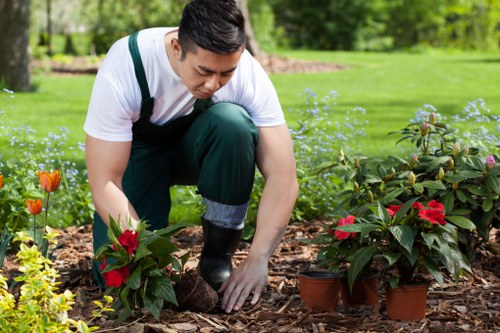 At the end of each task, equipment should be cleaned, inspected, and stored securely, while any defects or incidents should be recorded and reviewed. This final step supports accountability and ongoing improvement.
Policy Principles
Our approach is based on prevention, responsibility, and clear working standards. Every gardener is expected to act with care, report hazards, and follow agreed procedures at all times. By combining planning, training, PPE, maintenance, and safe behaviour, this gardeners safety policy helps support a reliable and protected working environment.
Core Commitments
- Identify and control hazards before work begins
- Use tools, machinery, and chemicals safely and appropriately
- Wear suitable protective equipment for the task
- Maintain tidy work areas and secure storage practices
- Report incidents, defects, and unsafe conditions promptly
This policy is reviewed regularly to ensure it remains effective, practical, and aligned with safe gardening operations. A thoughtful, disciplined approach helps protect people, property, and the quality of the work delivered.