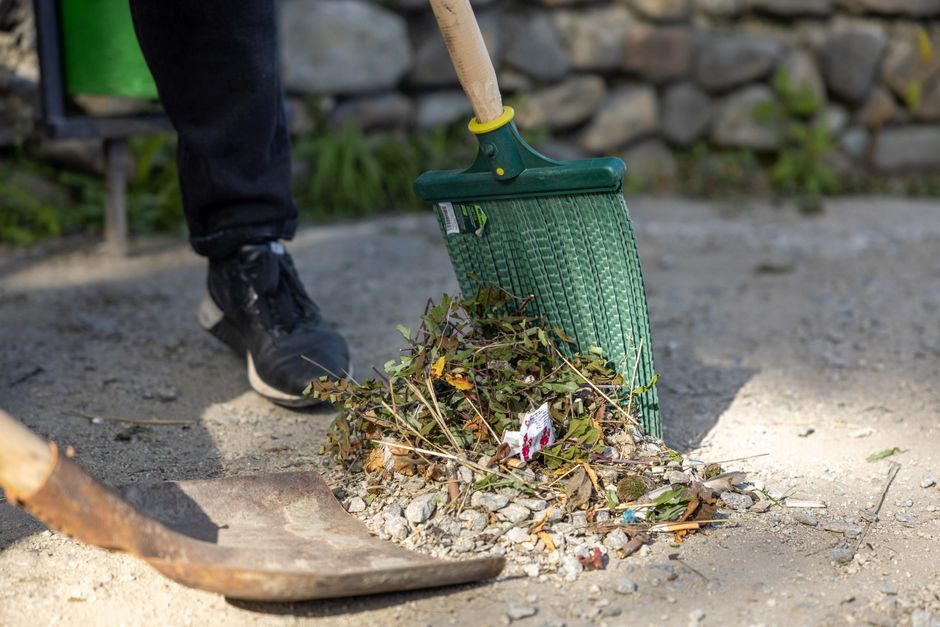
What to know about garden waste rules Havering council gardeners should follow
If you are sorting a tidy-up in Havering, the last thing you want is a pile of branches, grass cuttings, and soil bags becoming a hassle instead of a clean finish. That is exactly why understanding What to know about garden waste rules Havering council gardeners matters. Whether you are managing your own garden or booking help for a bigger job, the way garden waste is separated, stored, and removed can save time, avoid awkward surprises, and keep the whole project running smoothly.
To be fair, garden waste sounds simple until you start dealing with mixed loads, thorny cuttings, old turf, or a pruned hedge that suddenly fills half the drive. This guide breaks everything down in plain English: what usually counts as garden waste, how to handle it responsibly, where people often go wrong, and how gardeners can stay on the right side of local expectations without overcomplicating the job.
Why these garden waste rules matter
Garden waste rules are not just admin. They shape how quickly a garden can be cleared, how clean the site stays, and whether waste ends up in the right place. In a place like Havering, where many gardens produce seasonal surges of green waste after hedge trimming, mowing, or a full garden overhaul, a bit of planning makes a huge difference.
From a practical point of view, the rules help keep organic waste separate from general rubbish. That matters because grass cuttings, leaves, prunings, and weeds can often be composted or processed in a more efficient way than mixed household waste. Mixed loads are messier, harder to handle, and more likely to create avoidable costs or delays. Not ideal when you were hoping for a neat Saturday morning clear-up.
There is also a trust issue. If you are hiring a gardener, you want to know what happens after the last sack is filled. Responsible disposal is part of a professional service, not an afterthought. A tidy lawn is nice. A tidy exit of waste is better.
For bigger clearances, it can also connect neatly with broader garden planning. If your project includes hedge work, lawn care, or a full redesign, the amount of waste can change a lot. A job that looks small at the start can quickly turn into a barrow-load marathon by lunchtime. That is normal, but it is exactly why waste handling should be part of the plan from day one.
If you are also thinking about the structure of the garden itself, it helps to consider maintenance choices that naturally produce less waste over time. Articles such as budget low-maintenance gardening ideas can be useful for shaping a garden that is easier to manage in the long run.
How the process usually works
Garden waste handling is usually straightforward once you know the basic categories. In practical terms, most of it comes down to separating organic material from non-organic debris and deciding how it will be stored, moved, and disposed of.
Typical garden waste includes grass cuttings, leaves, hedge trimmings, soft prunings, weeds, dead plants, and small amounts of untreated organic material from routine maintenance. In many jobs, that is the bulk of the load. Soil, rubble, timber, old pots, and broken fixtures are different matter. They may need separate handling, because they are not the same as green waste and are often treated differently.
For gardeners, the day often goes like this: cut, gather, sort, bag or load, and then remove. Sounds simple. In reality, the sorting step is where most people save themselves trouble later. If you throw everything together in one heap, the waste becomes harder to move and harder to dispose of in the right way.
Another practical point is dryness. Fresh green waste is heavier than people expect. A damp pile of grass and hedge cuttings can feel twice the size by the time it is in sacks. A quick pause to let material dry a little, where appropriate, can make collection easier. Not always possible, of course, but worth knowing.
For related garden work such as hedge reduction or shaping, it is often sensible to coordinate disposal with the task itself. The guide to hedge trimming in Chase Cross is a helpful reminder that trimming and clearing should be considered together, not as two separate headaches.
And if your project has become a larger tidy-up or seasonal reset, the broader service approach described on garden maintenance can help you think through waste volumes before the work even starts.
Key benefits and practical advantages
Getting garden waste rules right brings more than compliance peace of mind. It makes the whole gardening process smoother, safer, and usually cheaper in the long run.
- Cleaner working space: Clear sorting reduces clutter, trip hazards, and that all-too-familiar "where do we put this pile?" moment.
- Faster clearance: Waste that is already separated is easier to move away quickly.
- Better garden health: Organic waste can sometimes be reused sensibly, rather than being mixed in with materials that do not belong there.
- Lower risk of errors: Knowing what counts as green waste helps avoid putting the wrong material in the wrong place.
- More predictable costs: Cleanly separated waste is easier to estimate and manage.
There is also a subtle quality benefit. A gardener who leaves a site properly cleared makes the whole job feel finished. It sounds obvious, but many homeowners remember the tidy exit almost as much as the visible garden work itself. A lawn can look lovely; a lawn with a pile of cuttings left behind feels unfinished.
Good waste handling also supports greener habits. Where appropriate, organic waste can be reused in the garden, composted, or collected in a way that reduces unnecessary landfill use. If you want to explore the environmental side further, upcycling organic trash into richer soil is a useful read.
And if you are aiming to make the whole outdoor space easier to live with, not just easier to clean, the article on how your garden contributes to climate solutions adds a broader perspective that fits neatly with responsible waste choices.
Who this is for and when it makes sense
This topic matters to more people than you might expect. It is not just for large landscaping jobs or full-scale clearances.
You should pay close attention if you are:
- a homeowner doing regular mowing, pruning, or weeding
- a gardener managing multiple visits across the season
- someone planning a one-off garden overhaul
- a landlord preparing an outdoor space for tenants
- an elderly homeowner who wants help keeping the garden manageable
- a parent or pet owner trying to keep the garden safer and less cluttered
It also makes sense if your garden tends to produce awkward waste: long hedge clippings, thick ivy, brambles, root balls, or a mix of wet grass and woody stems. Those jobs often need a little more forethought than a simple weekly mow.
For example, after cutting back ivy or clearing a heavily overgrown fence line, the waste is often bulkier than it first looked on the plant. If that sounds familiar, the article on permanent ivy removal gives a good sense of why planning disposal matters before you start pulling at the first stem.
This is also relevant if your garden is part of a wider project involving privacy planting, safety improvements, or child-friendly design. In those cases, the waste stream can include cuttings from hedges, old edging, and the odd item from a previous layout. It adds up quickly, and nobody enjoys three extra trips around the side passage with a sack that is getting heavier by the minute.
Step-by-step guidance
If you are handling garden waste in Havering, a calm step-by-step approach works best. No drama, no guesswork.
- Identify the waste type. Separate green waste from soil, timber, plastic, pots, and rubble. This is the single most useful habit.
- Estimate the volume. A few bags from a small border clear-up are very different from the aftermath of a full hedge reduction.
- Choose the right method of handling. Bag, bundle, compost, or arrange removal according to the waste type and quantity.
- Keep pathways clear. Stack bags safely and avoid blocking access routes, especially if you are working near driveways or narrow side returns.
- Check for mixed materials. A single brick, bit of wire, or broken pot can change how a load should be dealt with.
- Think ahead before the cut begins. If a hedge is being reduced or a tree pruned, set up the collection area first.
- Finish with a final sweep. It sounds small, but loose leaves and clipped stems always seem to reappear after the main stack is gone.
If you are working with a professional gardener, ask how they deal with waste before the job begins. A clear discussion at the start saves everyone from surprises later on. The best jobs feel organised from the first cut to the last bag lifted.
For people handling bigger landscaping tasks, it is worth reading around the rest of the site too. Services like landscaping and tree surgery typically produce different waste profiles, and knowing that in advance makes planning much easier.
Expert tips for better results
These are the little things that make a real difference. Nothing fancy. Just the sort of practical habits that keep jobs moving.
- Work from the edges inward. You will usually keep the site tidier if you clear as you go rather than leaving everything until the end.
- Use breathable sacks for green waste where sensible. Wet material gets heavy fast, and overfilled bags are a nuisance.
- Keep thorny or sharp cuttings separate. Rose clippings, spiky stems, and broken canes can turn a simple load into a handling problem.
- Don't mix compostable waste with treated materials. Painted timber, plastic ties, and man-made debris do not belong in the organic pile.
- Plan for weather. A windy afternoon can scatter light waste everywhere. Anyone who has watched leaves lift off the drive at 3 p.m. knows the feeling.
One small tip that people overlook: if you are pruning hedges or cutting back climbers, keep one container for the "easy stuff" and another for bulkier stems. It keeps the process smoother and stops the whole pile becoming a tangled mess. Sounds obvious. Still worth saying.
If privacy planting is part of your plan, the guide on hedges that improve backyard privacy can help you choose plants that are practical as well as attractive, which often means less waste trouble later. And if you like a garden that feels calm and manageable, low-maintenance gardening ideas are worth a look too.
Common mistakes to avoid
Most waste issues do not come from bad intentions. They come from rushing. A quick mistake here, a mixed bag there, and suddenly the job is more complicated than it needed to be.
- Mixing everything together. Organic waste, soil, and hard materials should not all go in one heap.
- Overfilling bags. Heavy sacks are hard to lift and easier to split. Nobody needs that.
- Ignoring hidden waste. Old ties, wire, broken edging, and plastic markers hide in the undergrowth more often than people think.
- Leaving waste near access routes. It creates risks and can make removal awkward.
- Assuming all green waste is harmless. Some plants are thorny, invasive, or awkward to handle, and some may need extra care.
- Forgetting to plan for rain. Wet waste gets heavier and sloppier. Very glamorous, obviously.
A common example is a garden clear-up after winter: dead growth, leaf litter, a few broken pots, and maybe the remains of a failed planting project from last spring. People often think it is all "just garden stuff". In practice, it is a mixed waste problem, and mixed waste needs structure.
If weeds are part of the issue, you may also find weed-free garden tips useful, especially when you want to stop the same pile from coming back next month.
Tools, resources and recommendations
You do not need a shed full of specialist kit to manage garden waste well. A few sensible tools can make the job cleaner and safer, though.
- Sturdy garden bags or rubble sacks: useful for separating light green waste from heavier material.
- Gloves with decent grip: especially important for brambles, thorny clippings, and damp material.
- Wheelbarrow: still one of the most underrated garden tools around.
- Secateurs and loppers: useful for reducing bulky branches into manageable pieces.
- Rake and broom: helpful for final sweeps and leaf collection.
- Tarpaulin: handy for moving waste across paths without scattering debris everywhere.
There are also a few site pages that help build a more organised approach to garden work. The article on top gardening tools is a good starting point if you want to refresh your kit, and gardening services gives a broader sense of how professional support can fit into routine maintenance.
If your work is seasonal and weather-sensitive, the article on protective measures for gardens facing severe weather is useful because it reminds you to protect both the plants and the waste piles themselves. A scattered pile after a windy night is not a great start to the morning.
And if you are deciding whether the job needs general upkeep or something more involved, lawn care and lawn mowing can be part of a more regular routine that keeps waste volumes predictable.
Law, compliance and best practice
When people ask about garden waste rules, they are often really asking two things: what is allowed, and what is sensible. In the UK, garden waste is typically handled under local waste arrangements and general expectations around keeping organic waste separate from other rubbish where possible. Exact local arrangements can vary, so it is always wise to check the current position for Havering before arranging a collection or disposal method.
From a best-practice point of view, the main ideas are simple:
- keep green waste separate from general household waste where you can
- avoid putting soil, rubble, and treated materials into organic waste streams
- store waste safely so it does not block access or create a nuisance
- handle sharp, thorny, or heavy material with proper care
- use lawful, responsible disposal methods
For gardening businesses, good paperwork matters too. That includes clear terms, sensible safety practices, and an understanding of who is responsible for waste once the job is complete. If you want to see how a business can frame those standards, pages such as health and safety policy, terms and conditions, and insurance and safety give a useful sense of the professional side of the work.
It is also worth noting that compliance is not just about avoiding trouble. It is about good service. A gardener who sorts waste properly, communicates clearly, and respects the site is usually easier to trust with the rest of the job too. Simple as that.
Options and comparison table
There is more than one way to deal with garden waste, and the right option depends on the size of the job, the type of material, and how much time you want to spend on it yourself.
| Option | Best for | Advantages | Watch-outs |
|---|---|---|---|
| Home composting | Leaves, grass cuttings, soft prunings | Low-cost, useful for soil improvement | Not suitable for all waste types; needs space and patience |
| Bagging for collection | Routine clear-ups and small to medium jobs | Simple, tidy, easy to sort | Can become heavy; bags must be handled properly |
| Professional garden clearance | Large overhauls, hedge work, bulky debris | Fast, organised, less stress for the homeowner | Needs clear scoping so waste is dealt with correctly |
| Regular maintenance visits | Ongoing garden care | Keeps waste under control in smaller amounts | Works best when done consistently |
In a real-life setting, many people use a mix of methods. A bit of composting, a bit of bagging, and the occasional professional clearance after a big cutback. That mix is usually the most realistic, not to mention the least annoying.
Case study or real-world example
Here is a typical Havering-style scenario. A homeowner wants the front garden cleared after months of growth. The hedge has gone a little wild, the lawn has uneven patches, and there is a border full of dead stems from last season. Nothing extreme, but enough to need proper handling.
The gardener begins by separating the waste into two groups: soft green material and mixed debris. The hedge cuttings go into one pile, while old plant supports, cracked pots, and bits of plastic edging are kept aside. That means the organic waste can be managed cleanly and the non-organic items do not contaminate the pile. The job looks calmer almost immediately.
Halfway through, a small issue appears. One section of the hedge contains thick, woody pieces that are far heavier than expected. Instead of forcing them into the same bag as lighter clippings, they are cut down further and stacked separately. Small move, but it prevents bag splits and makes lifting easier. By the end of the afternoon, the space is tidy, the driveway is clear, and the client is not left wondering where all the waste has gone.
What made that job successful? Planning, sorting, and a sensible finish. No magic. Just a method that respected the waste from the start.
It is the same principle behind larger garden transformations. If you are ever starting from a neglected plot, the advice in starting the neglected garden overhaul can help you think about clearance and waste in a more structured way.
Practical checklist
Use this quick checklist before you start or before you book a gardener:
- Have I separated green waste from soil, timber, plastic, and rubble?
- Do I know roughly how much waste this job will produce?
- Have I set aside enough bags, bins, or containers?
- Are there any thorny, sharp, or heavy items that need extra care?
- Is the access route clear for moving waste out safely?
- Do I know whether the waste is staying on site, being composted, or taken away?
- Have I checked any current local requirements for garden waste handling in Havering?
- Have I planned for wet weather or windy conditions?
- Is there any treated wood, artificial material, or mixed debris that needs separate disposal?
- Has the final sweep been included, not just the cutting?
If you can tick most of those off, you are already ahead of the game. Honestly, that is where a lot of messy jobs become manageable.
Get a free quote today and see how much you can save.
Conclusion
Garden waste rules might not be the glamorous part of gardening, but they shape the whole experience. When waste is separated properly, handled carefully, and removed in a sensible way, the garden work feels smoother from start to finish. In Havering, that means thinking ahead, keeping green waste distinct from mixed debris, and making sure any gardener you hire understands the practical side of disposal as well as the visible side of the job.
That is the real takeaway from What to know about garden waste rules Havering council gardeners: tidy gardens start with tidy habits. If you build good waste routines into your gardening plan, everything else becomes easier - the mowing, the pruning, the clearing, even the simple pleasure of stepping outside and seeing a space that feels cared for. And that, truth be told, is what most people want in the end.
If you would like a tailored discussion about your garden or a larger maintenance job, a short conversation can save a lot of guesswork later. Sometimes that first chat is the difference between a one-hour tidy-up and a much bigger job than you expected.
Frequently Asked Questions
What counts as garden waste in Havering?
In general, garden waste includes grass cuttings, leaves, hedge clippings, weeds, dead plants, and soft prunings. Soil, rubble, timber, plastic, and general household rubbish are usually handled separately.
Can all garden waste go in one bag?
Not really. It is better to keep organic waste separate from heavier or non-organic materials. Mixed bags are harder to manage and can create disposal problems.
Do gardeners remove waste as part of the job?
Often they do, but not always in the same way. It depends on the job size, the agreement in place, and how much waste is produced. Always ask before the work starts.
Is it better to compost garden waste at home?
For soft organic waste, composting can be a smart option if you have the space and patience. It is not suitable for everything, though, especially mixed or contaminated material.
What should I do with soil and rubble from garden work?
These materials usually need separate handling from green waste. They are heavier, less compostable, and may need a different disposal route.
Why does separating waste matter so much?
It makes collection easier, reduces handling issues, and helps ensure waste goes to the right place. It also keeps the garden cleaner while the job is underway.
Are hedge trimmings treated differently from grass cuttings?
They can be. Hedge trimmings are usually bulkier and woodier, while grass cuttings are softer and often heavier when damp. Many gardeners sort them separately for ease of handling.
What is the biggest mistake people make with garden waste?
The most common mistake is mixing everything together. It seems quicker at first, but it usually causes more work later.
How can I reduce garden waste over time?
Choose lower-maintenance planting, prune regularly, compost suitable material, and keep on top of weeds before they spread. Small habits make a real difference.
Do I need to check local rules before disposing of garden waste?
Yes, that is the sensible move. Local arrangements can change, and it is always best to confirm the current guidance for Havering before you book removal or plan a clear-up.
What should I ask a gardener about waste removal?
Ask what is included, how waste is sorted, whether removal is part of the quote, and what happens to different waste types. Clear answers at the start help avoid confusion later.
Can garden waste become a safety issue?
Definitely. Piles of cuttings can block access, hide sharp items, and become slippery when wet. Proper stacking and timely removal are part of safe gardening, not just tidy gardening.